The first time I signed up for an online sportsbook, I did what most beginners do. I looked at the welcome bonus, skimmed a few reviews, and registered within five minutes.
That was a mistake.
It was not a scam platform. But the withdrawal process was slow, customer support was inconsistent, and the bonus terms were more restrictive than I expected. That experience taught me something important. Choosing a sportsbook should be treated like evaluating a financial service, not downloading a casual app.
In today’s betting landscape, platforms compete aggressively for attention. Bonuses look attractive. Marketing feels polished. But before creating an account, there are several critical factors worth examining carefully.
1. Licensing and Regulatory Transparency
The first thing I check now is licensing information.
A legitimate sportsbook should clearly display its regulatory authority. This could be from jurisdictions known for overseeing gambling operations. While regulations vary globally, transparency is the key factor. If a platform hides licensing details or makes them difficult to verify, that is a warning sign.
Regulation does not guarantee perfection, but it provides a layer of accountability. Licensed operators are generally required to follow compliance standards related to security, fair gaming practices, and dispute resolution.
When evaluating a sportsbook, scroll to the footer. Look for licensing disclosures. Cross reference the regulator if necessary. A few extra minutes of research can prevent future complications.
2. Security and Data Protection
Online betting involves sensitive information, including payment details and identity verification documents.
A reliable platform should use secure encryption protocols. The website should load under a secure connection, and privacy policies should clearly explain how user data is handled.
Security is not just about technology. It is also about process. If identity verification feels rushed or disorganized, it may signal weak operational standards.

I once ignored this step because everything “looked professional.” Later, delayed withdrawals required additional documentation that had not been mentioned upfront. Since then, I prioritize platforms that clearly outline verification requirements from the beginning.
3. Payment Methods and Withdrawal Reliability
Bonuses attract attention. Withdrawal reliability builds trust.
Before creating an account, review:
Available deposit methods
Available withdrawal methods
Processing times
Minimum and maximum withdrawal limits
Potential fees
A platform that promotes instant deposits but vague withdrawal timelines should raise questions. Responsible operators typically provide transparent processing estimates.
One useful approach is reading independent user feedback specifically about withdrawals. While individual complaints do not always reflect systemic issues, patterns matter. If multiple users report delayed payments over extended periods, that information should not be ignored.
4. Odds Competitiveness
Not all sportsbooks offer identical pricing.
Even small differences in odds can significantly impact long term results. For example, consistent decimal odds of 1.90 versus 1.95 on similar markets may appear minor, but over hundreds of wagers, that difference compounds.
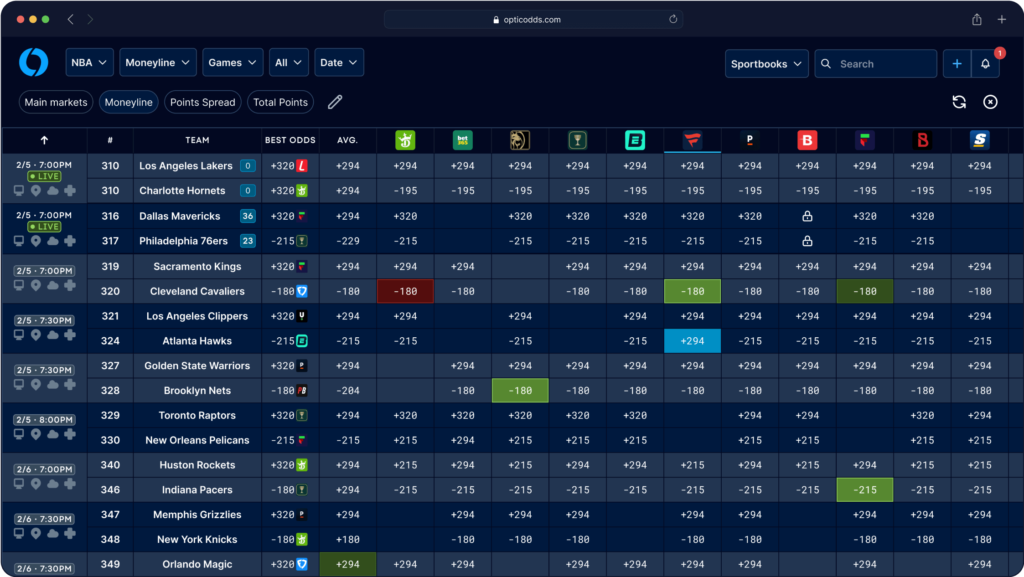
When evaluating a sportsbook, compare odds across multiple platforms for the same event. If pricing consistently lags behind competitors, the long term cost can be substantial.
Professional bettors often prioritize line value over promotional offers. That perspective makes sense. A slightly better price on every wager may outweigh a short term bonus.
5. Bonus Terms and Conditions
Welcome offers can be appealing, but they require careful reading.
Important factors include:
Wagering requirements
Time limits
Eligible markets
Maximum withdrawal caps tied to bonuses
In my early experience, I focused on the headline bonus amount and ignored rollover requirements. The result was frustration when I realized meeting conditions required far more volume than expected.
Bonuses are not inherently negative. They simply need to be understood fully before acceptance.
6. User Experience and Interface Design
A well designed interface does more than look modern. It influences decision quality.
Cluttered navigation, unclear market descriptions, and delayed live updates can create confusion. That confusion may lead to errors, especially in fast paced environments like live betting.
Test the platform’s demo mode if available. Explore different sports and markets. Assess how quickly information updates. A stable and intuitive layout reduces unnecessary friction.
7. Customer Support Responsiveness
Even if everything looks perfect initially, issues can arise.
Customer support quality often separates strong platforms from average ones. Before committing significant funds, consider testing the support channel. Ask a simple question through live chat or email. Evaluate response time and clarity.
A sportsbook that invests in responsive support demonstrates operational maturity.
The Bigger Picture
Evaluating a sportsbook should not be rushed. In many ways, this decision shapes the overall betting experience more than individual wagers.
Reliable infrastructure supports responsible participation. Transparent policies reduce misunderstandings. Competitive odds protect long term value.
From my perspective, the biggest shift came when I stopped chasing the largest bonus and started prioritizing structural quality. That change reduced unnecessary stress and improved confidence in the platforms I used.
Final Thoughts
Creating an account with an online sportsbook is easy. Choosing the right one requires deliberate evaluation.
Before registering, consider licensing transparency, security standards, payment reliability, odds competitiveness, bonus clarity, interface usability, and customer support quality.
No platform is perfect. However, careful analysis significantly reduces risk.
In probability driven environments, small details matter. The same principle applies to selecting where you place your bets.
A thoughtful decision at the beginning often prevents bigger problems later.